


Most people naturally want to keep their teeth for life, and modern dentistry strongly supports that goal. Preventive care, restorative treatments, and advanced dental technology are all designed to help preserve natural teeth whenever possible. However, there are certain situations where removing a tooth is actually the healthier long-term choice. While it may sound counterintuitive, a carefully planned extraction can prevent infection, reduce pain, protect surrounding teeth, and maintain overall oral health.
Patients in Trenton, NJ often have questions about when extraction becomes necessary and how it affects their future dental health. Understanding the reasons behind this recommendation helps reduce uncertainty and ensures informed decision-making. When guided properly, tooth removal can be a proactive step toward preserving your smile rather than compromising it.
Dentists typically explore every possible option before recommending extraction. Treatments like fillings, crowns, periodontal therapy, and root canal procedures are all aimed at saving natural teeth. Keeping your original teeth helps maintain jawbone density, natural bite alignment, and overall oral function.
That said, when a tooth becomes severely compromised, keeping it may do more harm than good. A tooth affected by deep decay, advanced gum disease, or structural fracture can sometimes act as a source of infection or instability. In these cases, removal protects surrounding tissues and helps prevent further complications. This preventive approach is often part of comprehensive dental care, especially for patients seeking the best dentist near me who prioritizes long-term health over temporary fixes.
There are several dental conditions where extraction supports better long-term oral health. These situations are always evaluated carefully before any recommendation is made.
Common reasons include:
When these issues are present, removing the affected tooth can prevent infection spread, improve comfort, and protect neighboring teeth. Early intervention often leads to better outcomes compared to delaying treatment until symptoms worsen.
It’s understandable to hesitate when faced with the possibility of tooth removal. However, postponing recommended treatment can sometimes allow dental issues to progress silently. A severely compromised tooth may not always cause immediate pain, but it can still impact surrounding oral structures.
Potential risks of delaying extraction include:
These complications highlight why timely dental evaluation is important. Patients searching for a top-rated dentist near me often value honest guidance about when preservation is possible and when removal is the safer option.
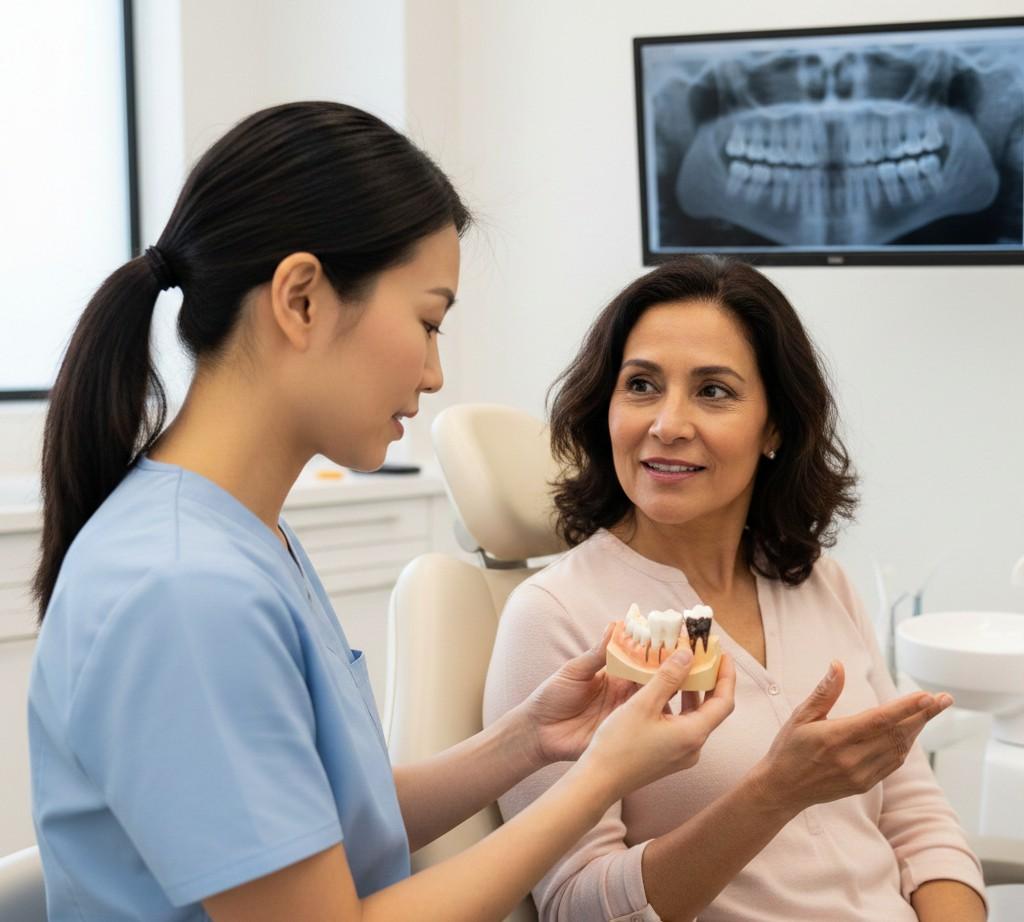
Wisdom teeth frequently require removal because they often lack sufficient space to erupt properly. This can create areas where bacteria accumulate, increasing the likelihood of infection and gum irritation.
Common wisdom tooth concerns include:
Preventive removal can reduce future dental complications, particularly when imaging indicates potential crowding or impaction.
Advanced gum disease is another major reason extractions are sometimes recommended. When gum tissue and supporting bone deteriorate significantly, teeth may become loose and difficult to maintain. In such cases, removal may protect the health of surrounding teeth and prevent further periodontal damage.
Removing a severely affected tooth can help:
Early periodontal treatment can sometimes prevent extractions, which is why routine dental checkups remain essential.
Many patients still associate tooth extraction with discomfort, but advances in dental technology have greatly improved the experience. Modern techniques emphasize precision, comfort, and faster healing.
Typical aspects of contemporary extraction care include:
Most patients find recovery manageable, especially when they follow post-treatment instructions carefully.
Removing a tooth doesn’t necessarily mean living with a permanent gap. Dentists usually discuss replacement options as part of comprehensive treatment planning to maintain both function and appearance.
Common replacement solutions include:
These options help maintain bite balance, prevent shifting of neighboring teeth, and support facial structure.
Patients who want personalized guidance can visit Capitol Smiles, located at 101 S Warren St, Trenton, NJ 08608, which serves patients throughout Trenton (08608, 08609, 08610, 08611, 08618), Hamilton Township (08610, 08611), and Ewing Township (08618, 08628, 08638).
Healing after extraction is usually straightforward, especially when patients follow recommended aftercare guidelines.
Helpful recovery tips include:
These steps help minimize discomfort and promote faster healing.
While tooth extraction can sometimes protect long-term oral health, prevention is always the most effective approach whenever possible. Maintaining consistent oral hygiene habits plays a crucial role in reducing the risk of serious dental issues that could eventually require invasive treatment. Brushing twice daily with fluoride toothpaste helps strengthen enamel and remove plaque, while regular flossing cleans areas a toothbrush cannot reach, preventing decay and gum disease. Being mindful of sugary or highly acidic foods also helps protect enamel from erosion over time. Equally important are routine dental checkups, which allow early detection of minor concerns before they progress into more complex problems. Patients who prioritize preventive care typically experience fewer dental complications, maintain stronger natural teeth, and often avoid the need for extensive procedures in the future.